


The Clump of Cells in the Mirror

I was in Florida with my brother and his family for Easter and Good Friday found us in the Emergency Room at the local hospital. Nothing tragic here, my sister-in-law is getting infusions for a health issue (not cancer), a portal has been attached near her breast bone to receive them, and she accidentally scratched at it, so we were there to make sure the portal had not dislodged.
When you think of an E.R. waiting room, in this case don’t think drab and windowless with the huddled and wheezing sitting on rows of plastic benches. This one was a brand-new, state-of-the-art facility. The waiting room was spacious, the seating sofas and easy chairs, and its very long walls were floor to ceiling picture windows—outside palm trees with reptilian bark topped with Jester hats of tapered leaves sway in the breeze and provide a classic Florida scene. I love New York City, but it’s fun going to Florida because it’s a real change of scenery.
So, we’re sitting there waiting for the technician to take my brother’s wife for X-rays when suddenly a recognizable tune comes over the intercom:
Lullaby and good night / With roses bedight / With lilies o’er spread / Is baby’s wee bed.
“Lullaby and Goodnight” is the timeless piece of music used to soothe babies into sleep, its melody composed by Johannes Brahms. My sister-in-law smiled and said: “That means a baby was just born.”
Brahms created this composition as a musical gift to his friend Bertha Faber after the birth of her second son. The rest of us give onesies, but if Brahms is a friend of the family, you get a piece of classical music. Extraordinary to us, but ordinary for him.
The X-rays were taken, and my brother joined his wife behind big swinging doors for the consultation phase. I changed my seat to be near the swinging doors, which were next to a reception desk manned by nurses busy with charts, answering phones and so on. “Lullaby and Goodnight” came over the intercom again. The nurses briefly paused their routine, smiled, and went on with their work. Another baby was just born.
When I got off the plane a few days earlier, we discussed the plans for my visit. Normally there would be some sort of sight-seeing involved, not so much on this trip with my sister-in-law’s twice weekly treatments going on, but I wasn’t disappointed. Spending time at the beach is fine with me; my brother is my favorite sibling and I love just being in the same room with him. One scheduled “tour stop” was his preferred watering hole, a sports bar in a strip mall off the highway. I enjoy a saloon, and I got to meet two of his friends I hadn’t met yet.
Suitably low-lit, three pool tables, television sets, and a waitress named Rhonda. I got the sense that Rhonda was also the proprietress. Rail thin, in her sixties, abundant red lip stick, hostess to the core, welcoming and warm. We took a table and were soon joined by my brother’s friends—Paul who does sheet rock and Dan who’s in pest control. Rhonda brought us our beers, and from the way she moved I’m betting she’s waited tables most all her life—present without hovering, eye on us and the entire room at the same time. Now that I’d heard what Paul and Dan did, they asked about me. I told them I wrote essays for the Human Life Review’s website, a pro-life publication. Paul said: “So you believe life begins at conception” and with palms down moved his hands sharply sideways, like an umpire calling someone safe, but this time meaning “end of story.”
“Life Begins at Conception” can be a knotty issue. It’s human nature to easily identify with an infant, and advanced pregnancy kindles emotion because it looks like a baby, but a clump of cells is naturally more difficult to grasp as life and more easily consigned to the philosophy and religion departments.
I said: “This clump of cells isn’t going to develop into a goat or a pigeon but a human being.” Then pointing my finger I swept this roomful of ordinary Joe’s: Necks craned watching the game on TV, elbows on the bar chatting with someone on the stool next to them, Rhonda washing glasses while nodding to a guy asking for another beer, and finally at the four of us seated at the table, and said: “And everybody in this room began the same way.”
The simplicity lands, quiet nods. I know it’s not enough though. The other side’s argument has the sympathy vote going strong; a girl or woman with a name and a face struggling with desperation, being “forced” to have a baby. It makes a compelling image, and desperate situations do exist. It’s also true that all too often they are pushed out in front while men and women whose sex life depends on guilt-free abortion hide behind them. Still, something landed. For a brief moment someone looked in the mirror and saw a clump of cells staring back.
The double doors opened and my sister-in-law was wheeled out, the portal had been re-aligned and she was ready to go home. By this time their oldest daughter, who is a physician’s assistant, had arrived and had joined her mom during the procedure while her father and I waited by the front desk. We all left. The hospital has valet parking and my niece was horror-stricken to learn her father had driven his beloved beater, an ancient Toyota, instead of the new SUV, an automotive behemoth with all the bells and whistles, and it was the humble beater now being fetched by the parking lot attendant. But “dad cars” occupy the same cringe tier as “dad jokes” and are readily forgiven. Mother and daughter got into daughter’s car. As I walked toward the beater the sliding doors behind me opened. The “Lullaby and Goodnight” tune was playing for a third time.
In the last few hours, three people had taken their very first breath. Extraordinary, in an ordinary way. And each time the lullaby invited strangers to celebrate. The joy rings with a truth we know in our hearts: they were never mere clumps of cells, but persons whose arrival the world should welcome.
About the Author
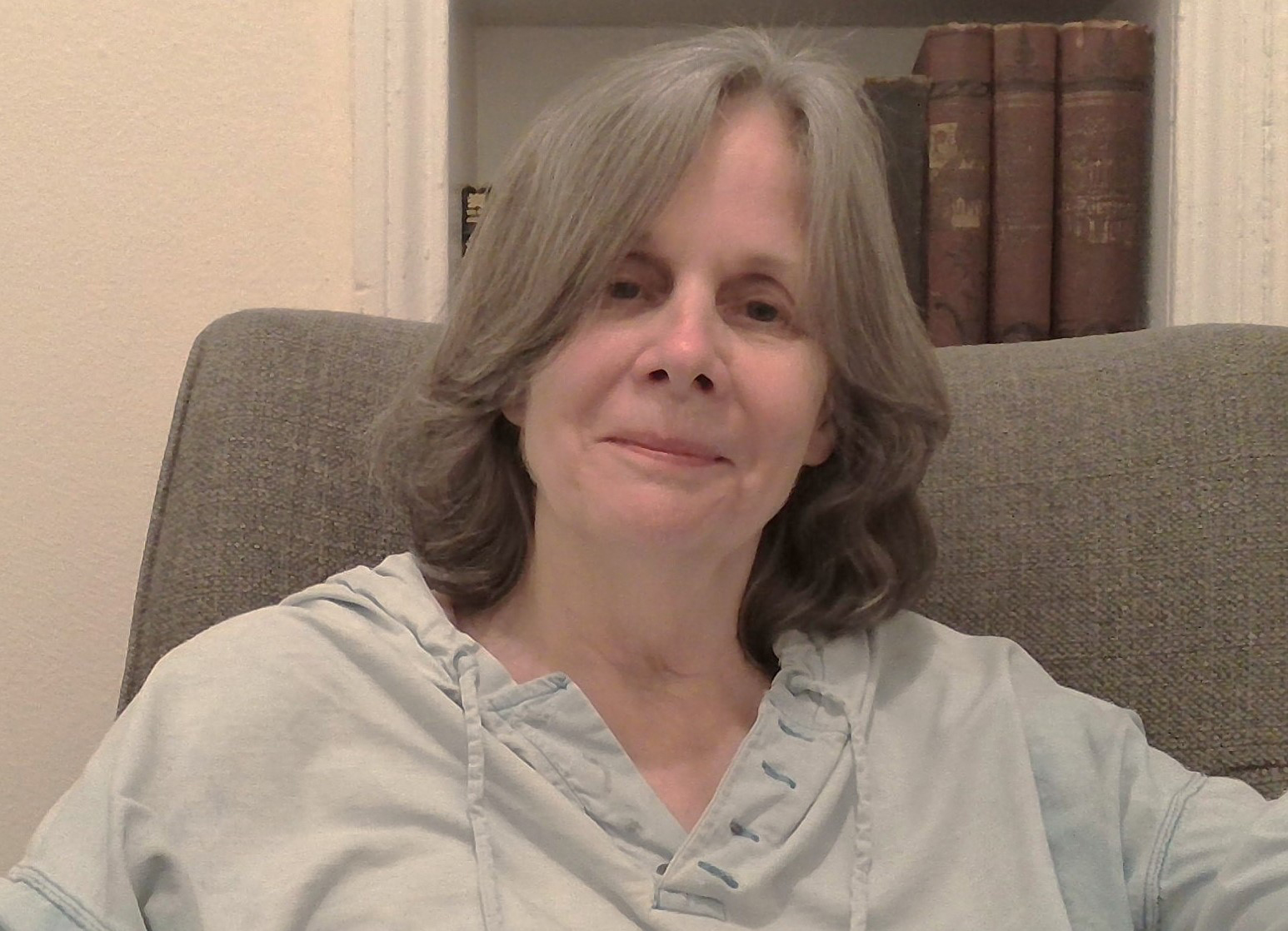 Diane Moriarty is a free-lance writer living in Manhattan. She previously wrote an art review column for Able Newspaper as well as articles outside the column. At the close of the last century DISH!, an independent film she wrote, produced, and directed was given a run at Anthology Film Archives by Jonas Mekus.