


Pro-choice Stepford Wives

The Stepford Wives is a 1975 American film, scripted by William Goldman and based on Ira Levin’s 1972 novel of the same name. Goldman also wrote the screenplays for Butch Cassidy and the Sundance Kid (1969) and All the President’s Men (1976). Another of Levin’s novels was Rosemary’s Baby (1967), which was also adapted for film.
Stepford Wives is a satire. Joanna Eberhart, a talented photographer who moves from New York City with her husband and kids to the (fictional) Connecticut town of Stepford, soon notices that something about the place makes smart, independent women mindlessly compliant to the point of being robotic. Which in fact they are, literally; the men of the town have killed off their wives and replaced them with robots—sexy robots with big breasts and big bottoms—that love housekeeping and dote on them hand and foot. The film was shown at an event hosted by Eleanor Perry, the screenwriter of Diary of a Mad Housewife. Billed as “an evening for wives and other women,” it was held in New York City at a screening room on Sixth Avenue in mid-town with an “awareness session” following the showing. In attendance were noted feminists, including Betty Friedan, author of The Feminine Mystique and cofounder of NOW. A Feb. 26, 1975, New York Times story by Judy Klemesrud described the evening:
About 10 minutes into the “awareness session,” Betty Friedan, who had spent the day in Washington attending the funeral of Ann London Scott, a vice president of the National Organization for Women, stood and with a voice quivering with emotion said: “I think we should all leave here. I don’t think we should help publicize this movie. It’s a rip‐off of the women’s movement.” She grabbed her coat and walked out, followed by three other women.
Huh. Too bad Ms. Friedan didn’t object with a voice “quivering with emotion” when in 1967 the National Organization for Women membership conference at the Mayflower Hotel in Washington D.C. was “ripped off” by the two men—journalist Laurence Lader and OB-GYN/abortion advocate Bernard Nathanson—who founded NARAL (National Association for the Repeal of Abortion Laws). They commandeered that event, successfully forcing abortion onto the NOW agenda, one which had previously focused on equal pay for equal work and the importance of education.
The Stepford Wives “awareness session” closed with most of the women agreeing that the movie was “junk,” and that women should be the ones to write and direct their own movies, not men.
Was this an early case of perceived “cultural appropriation”? This idea, which first became significant in the 1980s, concerns the adoption of elements of a culture by members of another culture in a way that is seen as inappropriate or unacknowledged. Today it may be about white people wearing dreadlocks. Was this the basis for Friedan’s hissy fit? She felt her movement had a “brand” that was being “ripped off” by men? Or was it that at the end of the movie Joanna Eberhart is strangled by her own robot replica and replaced—a sign that The Sisterhood Is Powerful “brand” was under attack?
Huh. She should see us now.
Not all of the women at the screening agreed with Friedan, though. Klemesrud continues:
However, a more favorable reaction to the film, or at least to some of its ideas, emerged a bit later at a smaller gathering around Eleanor Perry’s fireplace on Central Park South. “I loved it—those men were like a lot of men I’ve known in my life” said Gael Greene, the writer. “They really do want wives who are robots.”
Robotic and sexy. Barbie with a computer chip. A hot, programmable female. The villainous scheme was orchestrated through the town’s Men’s Association, a bastion of phony civility, a veritable cesspool of “boys will be boys” privilege—and the target of the film’s pointed mockery, not the feminized robots or murdered wives.
Did Friedan’s ego obliterate her ability to grasp the metaphor, to see the truth behind the satire? Or was it a forerunner to the myopia that has led to the disintegration of true feminism, which is so apparent today in her successors’ vociferous championing of abortion as: A social good. Liberating. Empowering. All the while completely missing the painfully obvious social blight right in front of them: That women have been programmed to become defensive automatons when abortion for any reason up to birth is challenged—that they have swallowed hook, line and sinker the idea that normal pregnancy is an existential threat to their life and liberty.
The Women’s Movement has been killed off and replaced with angry, blind robots.
About the Author
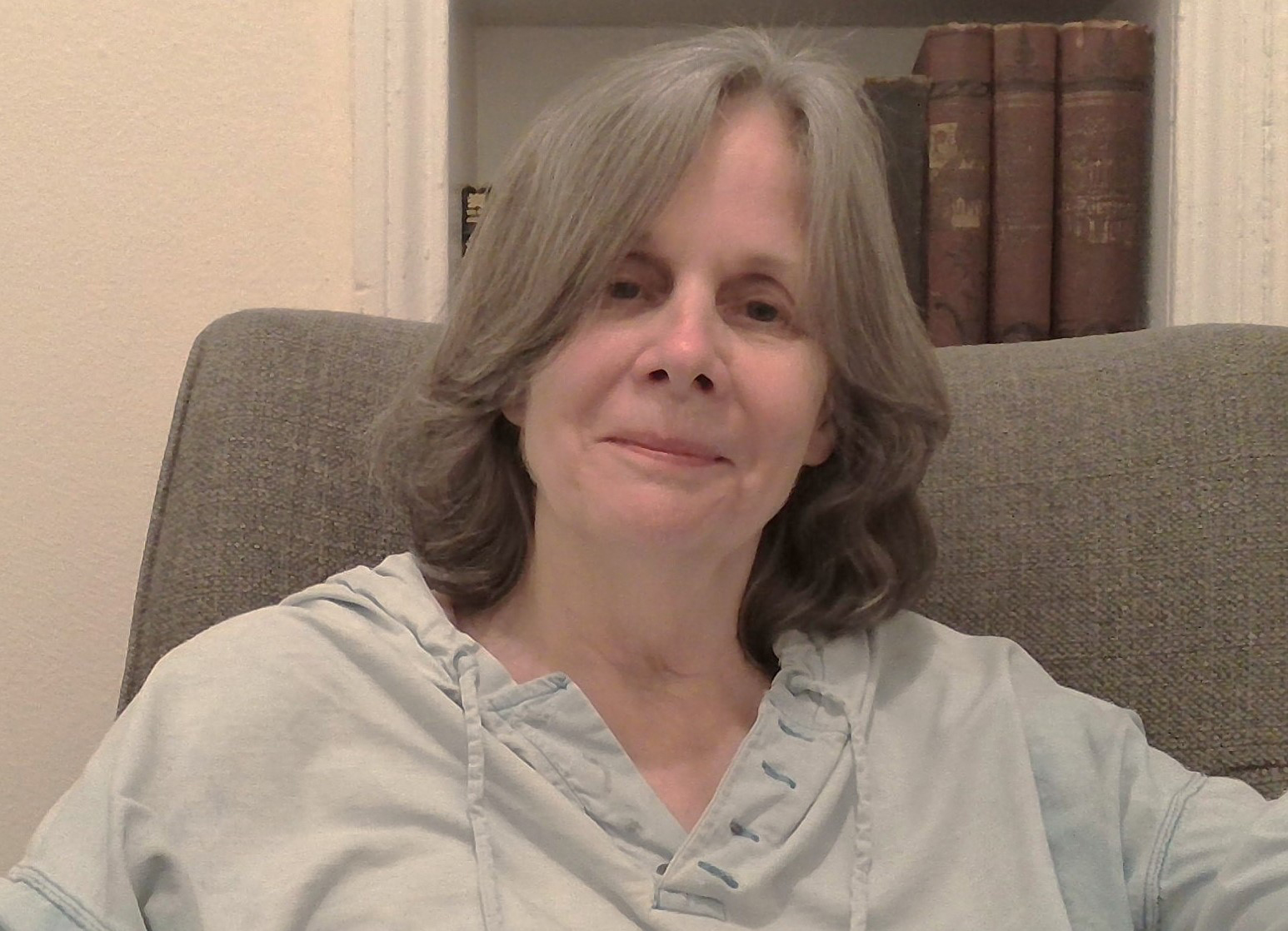 Diane Moriarty is a free-lance writer living in Manhattan. She previously wrote an art review column for Able Newspaper as well as articles outside the column. At the close of the last century DISH!, an independent film she wrote, produced, and directed was given a run at Anthology Film Archives by Jonas Mekus.