



Can We Have a Little Privacy Here?

Since the Supreme Court could not find an explicit right to abortion in the Constitution to support their Roe v. Wade decision, they claimed instead that a “right to privacy” was implied in the Due Process Clause of the Fourteenth Amendment, which bars the state from depriving any person of “life, liberty, or property, without due process of law.” The Court rationalized that “liberty” includes a woman’s personal decision regarding pregnancy, hence “privacy.” In other words, the shortest distance between two points was a circuitous walk around the semantic block, making stops along the way to omit conscience from decision making and delete the unborn from the phrase “any person,” all to gallantly defend a woman’s so called right to privacy, a beau geste that didn’t make it past the abortionist’s table.
The justices created a national right to abortion on demand but still allowed the states to protect the unborn from other violence during the pregnancy, such as a woman losing her baby as the result of a beating. So, the unborn has protection under the law, but only if the woman happens to want a child. That’s a lot of power to give to a gender that society doesn’t tend to empower otherwise; same goes for this vaunted privacy that justifies unrestricted abortion. (Both concepts persist even though Roe was overturned in 2022 by Dobbs, which didn’t outlaw abortion but simply put its legality back in the hands of the States). The essential Roe, and all the verbal gymnastics that twisted the Fourteenth Amendment, live on. And just as a baby only having protection under the law if a woman says so is a remarkable bequeathment of power granted to a gender not normally associated with command, a woman’s privacy only seems to have leverage within the hallowed halls of a certain (now overruled) Supreme Court decision. Especially today. Hell, girlfriends, it’s sure not in the locker rooms!
When abortion on demand was legalized nationwide in 1973, the issue made a hasty exit from the debate stage, at least in the hearts and minds of those looking for a hasty exit from difficulty. Nature abhors a vacuum, and that empty stage was quickly filled with a cult-like pro-choice philosophy—a new religion with rules made by old men in judicial robes instead of old men in church robes. In her 1978 “Letter to the Women’s Lobby,” reprinted in the Human Life Review’s 1978 Spring issue, Clare Boothe Luce wrote about the sociological problem of making abortion legal nationwide: “. . . anyone with a shred of common sense knows that to grant a legal right is to recognize it as a right course of action.”
What is privacy? It’s freedom from meddling so we are allowed to think freely. The Robes meddled when they proffered a path of least resistance, one strewn with jurisprudential rose petals, re-routing women who were free to think and feel for themselves naturally into . . . Group Think.
What is privacy? It affords women space to be themselves. What is our “space,” instinctively? Again, Clare Boothe Luce: “Induced abortions are against the nature of woman . . . There is no logical process of thought by which the unnatural act of induced abortion and the destruction of the unborn child in the womb can be deemed to be a natural right of all women” (emphasis in original).
Almost fifty years ago Luce saw that Group Think was rearing its ugly head when justification for Roe v. Wade was couched in language demanding abortion be welcomed into the esteemed company of “inalienable rights.”
Proof that abortion culture is an unnatural place for women to dwell can be found in its repercussions. A 2025 study by Auger et al. showed women who had abortions had an 81 percent greater risk of a psychiatric hospitalization, 157 percent greater risk of hospitalization for a substance use disorder, and 116 percent greater risk of hospitalization for a suicide attempt. Charlotte Lozier Institute scholar David Reardon surveyed nearly 2,000 American women. He found that women who had abortions were twice as likely to attempt suicide and to attribute their suicidal feelings and actions to their abortions.
Where are “empowerment” and “autonomy” in this? Alluring and powerful words, empowerment and autonomy, but they’re not a prescription for navigating a life where you have respect for what you do physically. It’s a brand-name-recognition marketing strategy. Meddling. Invading a private space by way of group-think peer pressure.
What is privacy? It’s being free from prying eyes. And if they do pry, to still be alone in the privacy of your own heart. To know your own heart. Your instincts. Your nature. Even if others think you’re a fool for doing so. Not unlike Mary.
Merry Christmas.
About the Author
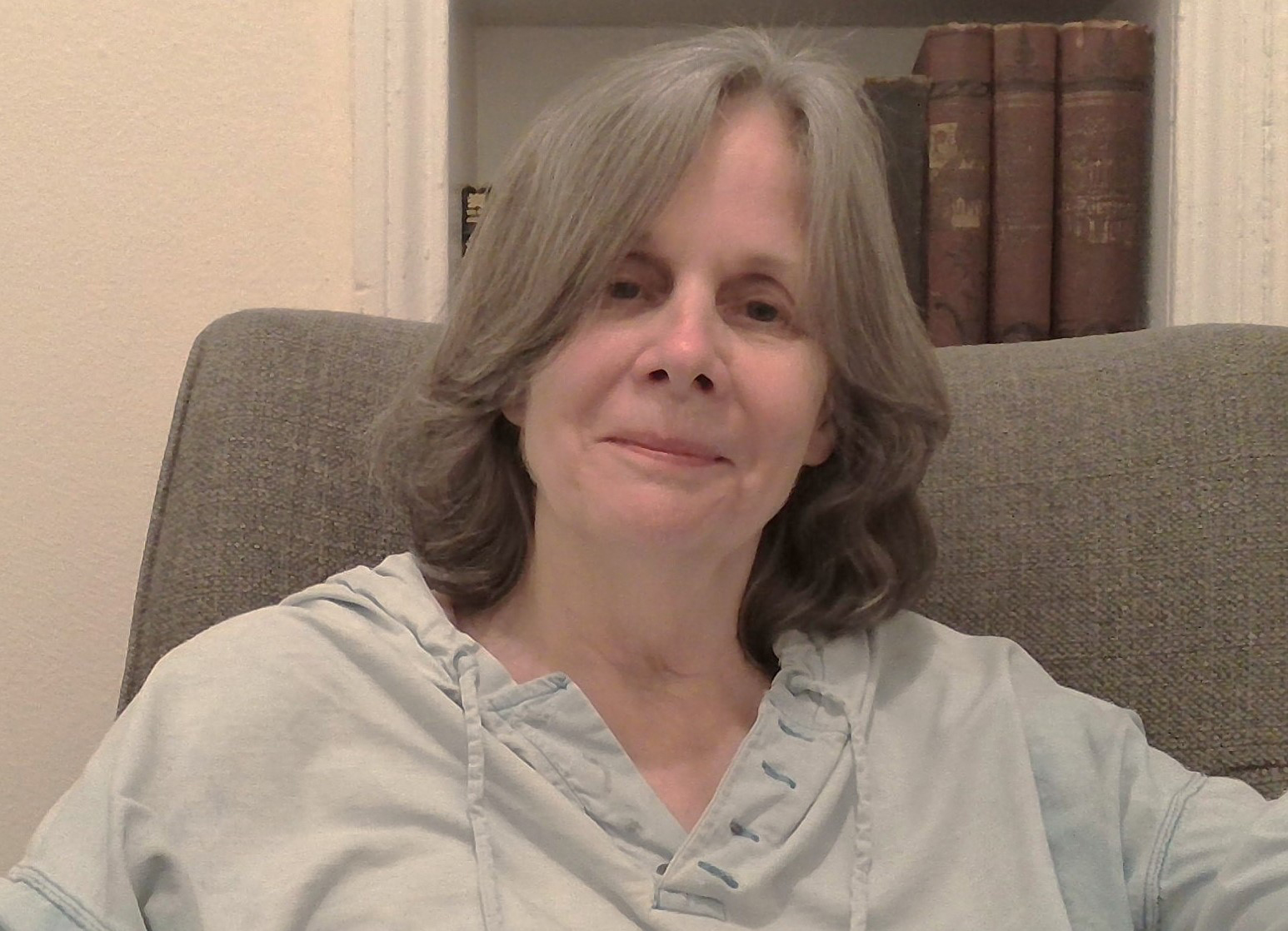 Diane Moriarty is a free-lance writer living in Manhattan. She previously wrote an art review column for Able Newspaper as well as articles outside the column. At the close of the last century DISH!, an independent film she wrote, produced, and directed was given a run at Anthology Film Archives by Jonas Mekus.





“put its legality back in the hands of the states”: no it was always in the hands of the fourteenth amendment protection of fetal personhood. Dobbs is Dred Scott and needs to be overturned in the direction of abolishing abortion. This is not rocket science given that we can now DNA identify the rapist father and garnish him to care for mother and child to adoption can occur. For all other crisis pregnancies, the mother had the choice before she had sex.
Also, correction needed:”He found that women who had abortions were twice as likely to attempt suicide and to attribute their suicidal feelings and actions to their abortions.” Women who did not have abortions *would* not attribute suicide attempt to abortions! The number should be infinite times, not twice.