


The Moral Deception of “Artificial” Life

While debates about the ethics of artificial intelligence are raging, a more insidious form of artificiality is sneaking under the radar of the Christian community. Like AI, this new technological effort is based on lies and sleight-of-hand. Unlike AI, which is a machine-based simulation of human life, this project involves manipulating and destroying real human life and defending it morally, as if the subjects were not simultaneously human and alive but merely manufactured.
What I am referring to here is the development of, and research performed on, many thousands of human “synthetic” embryos in laboratories around the world.1
There are crucial moral debates about whether scientists should be engaged in any such activities. What is particularly sinister, however, about the lab-centered development of such human beings is not only the fact of its occurrence, but the way in which researchers and the public rationalize it. The lies run deep, and they are profoundly sinful.
Human “synthetic” embryos, often called embryo models or embryoids, are living beings that are not, however, developed through fertilization of an egg by sperm. Instead, “pluripotent” stem cells capable of forming any tissue are harvested from living persons at the embryonic stage (killing those embryos) or from skin or blood cells of adults. The researchers manipulate the stem cells with added proteins and (often) genetic alterations to become specific cell types, then typically mix the stem cells with other cells that can naturally develop into a placenta and yolk sac. This precise mixture of cells is naturally animated with a powerful force—they “self-organize” in a manner similar to the growth of other embryos during pregnancy in a mother’s womb (there is variance in characteristics like tissue organization and genetic profile).2
The Standard Moral Objections
Let’s get one thing clear: Despite the involvement of technicians in assembling and manipulating the various types of cells, the resulting biological entity is not merely synthetic (like plastic bags), manufactured (like a cell phone or its parts), or mixed (like a cake batter). The human being is formed from, and self-develops through, living cells.
It’s a crucial distinction. “Life” remains the mysterious and miraculous force that makes human embryos happen, and life is already a defining feature of the human cells being mixed. The technicians are dabblers, tinkers, or observers on the sidelines, not active creators by any stretch of the imagination.
Ethical objections generally focus on the moral status—the proper rights and dignities—of these human embryonic beings. To deny that such entities deserve much more than a short life as lab specimens for research, killed before they can develop and experience their full lives and natural deaths, should require a deeply considered philosophical and moral defense. The embryos are unique beings with human life, and they very often appear to be organisms with the essential capability and orientation (“potential”) toward developing into human adults. Even if some do not have such capacity, they are part of the human family. Do these characteristics carry no weight at all in protecting a being, even one that cannot resist or voice objections, from utilitarian origins, captivity, forced servitude, physical and chemical manipulation, and destruction?
The technological means and impersonal contexts of generating “synthetic” embryos are also problematic. The Catholic Church, for example, decries the profound disregard for God’s will and indignity to God’s children who deserve, whenever possible, a natural, unmanaged beginning of life in the care of their married parents.3
Excuses and Self-Deception
The public and the Christian community remain largely silent about the formation and research on these human beings. So does the law around the world, with the exception of a few countries like Canada. Even there, “synthetic” human embryos are formed and then required to be destroyed within a couple weeks of life.
Why is there no outcry? There seem to be three perennial tendencies that underlie the rationalizations.
The first reason is the effective abandonment of humanity as a moral category. As with the entire population of the unborn, our society frequently pretends that being human is a status that has no universal, intrinsic value or claim on dignified treatment. Driven by outspoken groups that demand exceptions for themselves or exclusions of others, “human rights” are increasingly applied only to certain categories of human beings who have particular capabilities or favored interests.
This is more than an ethical or practical issue; it is a decisive break from the fundamental understanding of human reality. As such, it is both a violation of a loving and reverent relationship with the Divine and rejection of the foundation of self-respect and dignity of human beings. Death is a result, both spiritually and literally (as with abortion, assisted suicide, genocide, eugenics, and now “synthetic” embryos).
The second reason for apathy is the temptation of material benefit. Research on lab-formed human embryos can likely generate a wealth of medical understanding and therapies, including help for mothers and children during pregnancy. The experiments will also generate quite a lot of financial wealth for those invested in them. Adults seeking easy, non-sexual formation of ready-to-order children may eventually celebrate the associated techniques. All that is required is the willingness to sacrifice the embryonic beings that are formed outside of human relations (sexual, marital, and personal), manipulated and probed, and ultimately put to death.
The potential benefits are considerable. The spiritual implications for humanity, however, are dreadful. The challenge—to embrace or to forgo temptation—is both ancient and enduring.
The third reason for endorsement of lab-formed human embryos is the seduction of pride. With formation of these beings, the core assumption is that people can—and should—read the secrets of nature like the static text of an instruction manual and then imaginatively create something different, something better. What is “natural” is merely a first draft for our researchers and technicians to improve upon.
Yet the persistent, profound distance between our scientific understanding and a full grasp of the essential truths of our humanity should bring humility, not unbridled enthusiasm, to our technological exploits. Rather than limiting its focus on “how” to maximize the utility of its efforts, our society should be asking “why” and “who.”
A Challenge
Ultimately, the moral challenge of “synthetic” embryos is an opportunity of biblical proportions. We can embrace pride, normalize temptation, and abandon respect for human dignity. Wishing to avoid responsibility, we can do it quietly, simply refusing to bear witness to the depravity of lab-based formation and research on human embryonic persons. This is the whisper of grave sin.
Or we can be truly magnificent, standing tall against temptations and radiating dignity that comes not from prideful assertion but from Christian sacrifice and humility. We can choose another path than the formation, research upon, and killing of human embryonic entities. But, in a culture that is willfully deaf to any value other than utility, we’ll have to be loud about it.
Notes:
- While no official count of such lab-formed human embryos is available, each experiment involves development of dozens or even a few hundred.
- Primitive sperm and egg cells have been formed in laboratories from human stem cells, with further development of human embryos. Researchers at the University of Minnesota recently claimed to have developed life-like cells through assembly of non-living chemicals; the cells are capable of functioning and replicating. See Emily Mullin, “A Startup Says It Grew Human Sperm in a Lab—and Used It to Make Embryos,” WIRED (April 23, 2026), https://www.wired.com/story/startup-says-it-grew-human-sperm-in-a-lab-and-used-it-to-make-embryos/; and University of Minnesota Twin Cities, “World’s First Synthetic Cell with a Complete Life Cycle Could Revolutionize Biological Engineering” (July 1, 2026), https://twin-cities.umn.edu/news-events/worlds-first-synthetic-cell-complete-life-cycle-could-revolutionize-biological.
- See documents by the Congregation for the Doctrine of the Faith, which provide the principles for a response to research on “synthetic” embryos: Donum Vitae “Instruction on Respect for Human Life in Its Origin and on the Dignity of Procreation” (1987), https://www.vatican.va/roman_curia/congregations/cfaith/documents/rc_con_cfaith_doc_19870222_respect-for-human-life_en.html; and Dignitas Personae “Instruction on Certain Bioethical Questions” (2008), https://www.vatican.va/roman_curia/congregations/cfaith/documents/rc_con_cfaith_doc_20081208_dignitas-personae_en.html.
About the Author
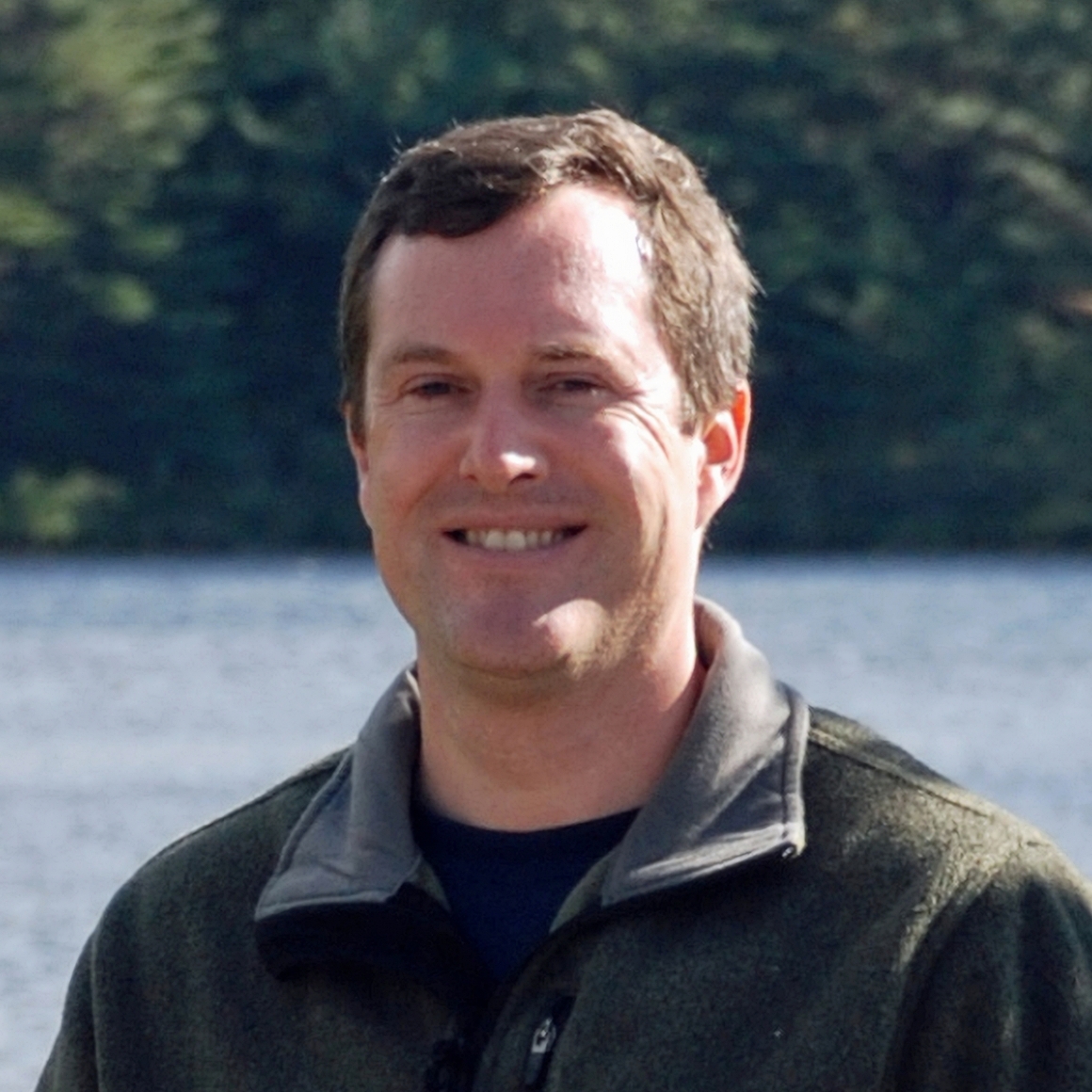
Christopher M. Reilly is a co-editor of the Human Life Review and writes about moral theology, advanced technology, bioethics, and philosophy. He holds a Doctor of Theology degree (Th.D).
bio as of April 2026